
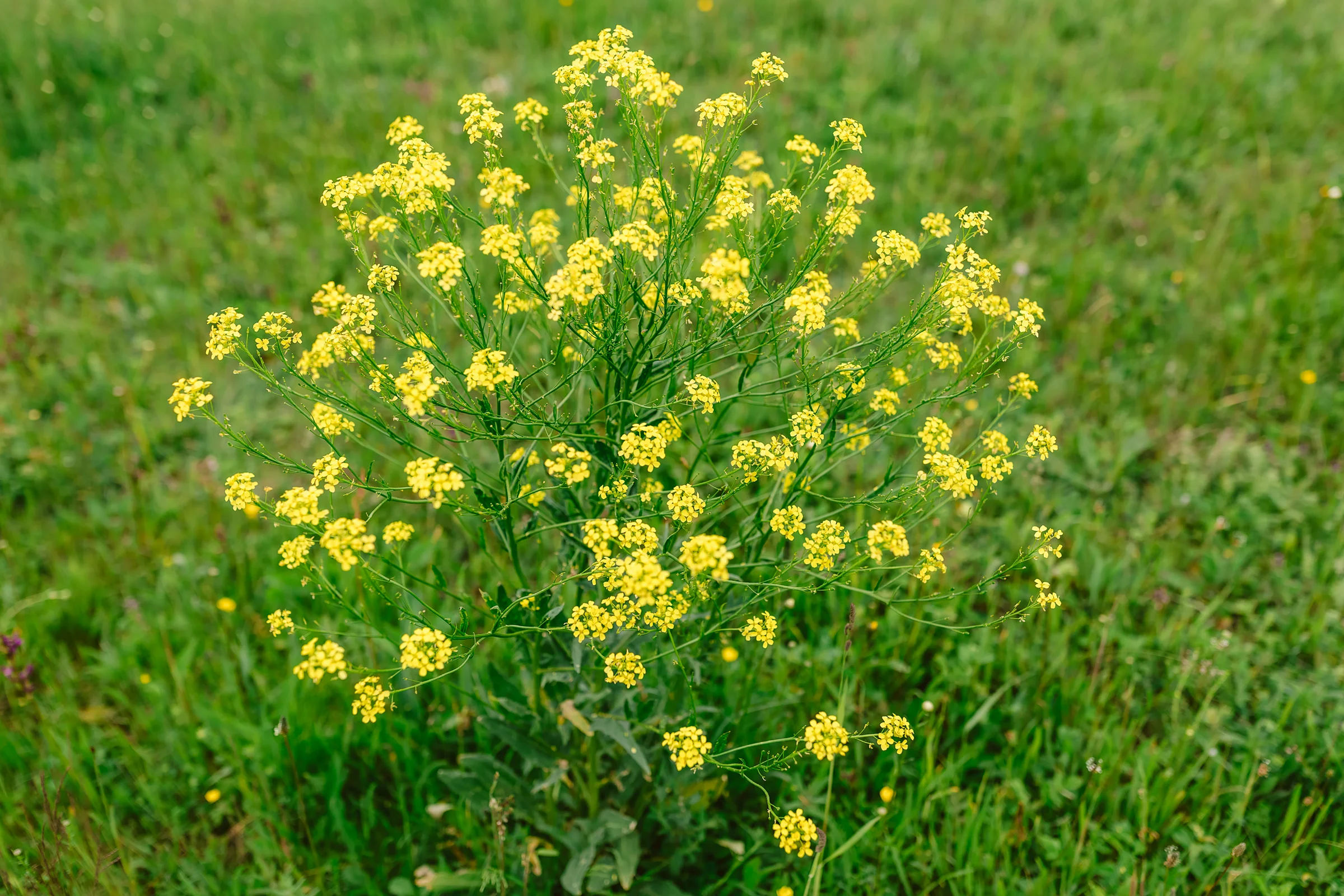
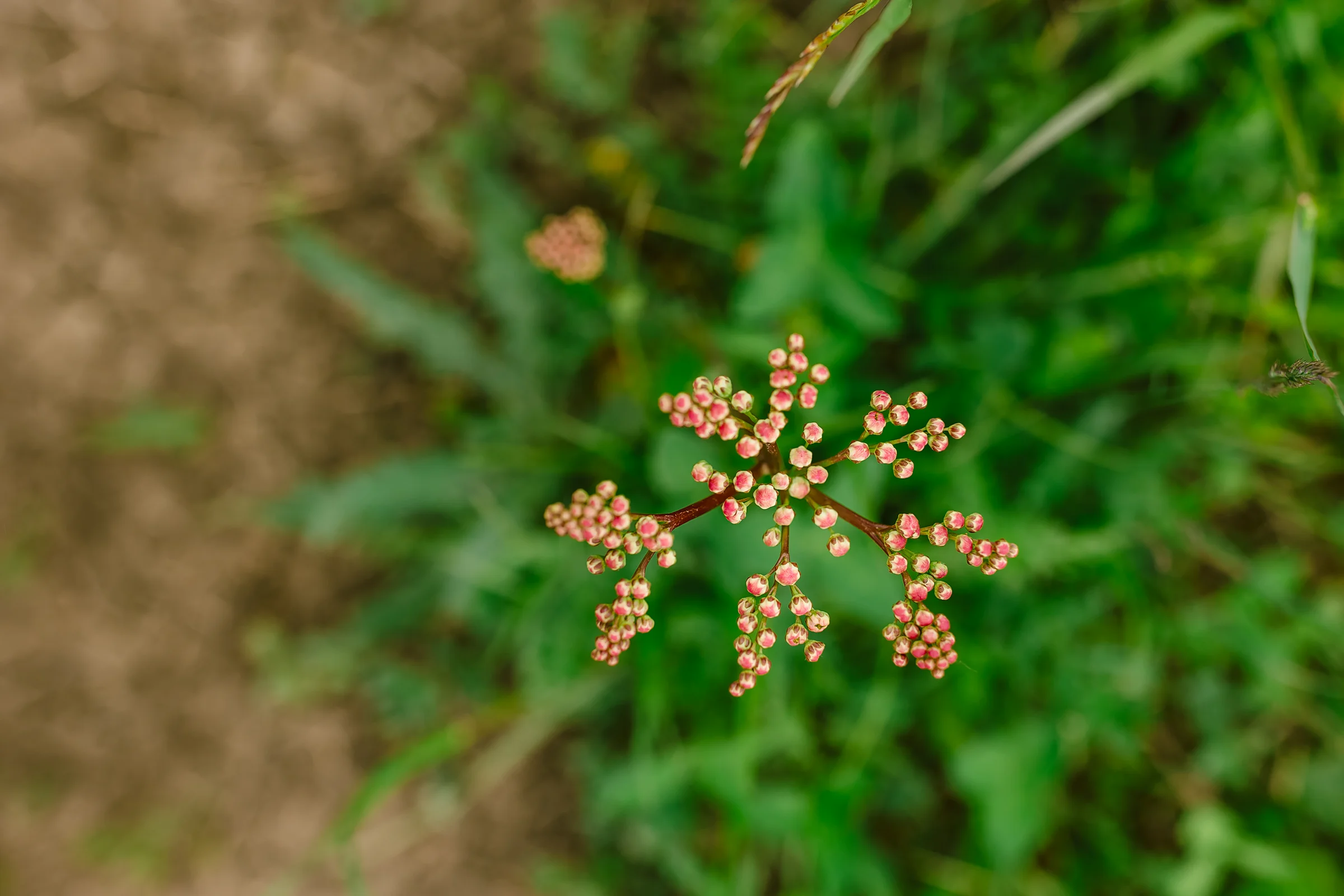
I think it was only our second time in the area, probably when we came to buy the house. We took a short walk somewhere before the entrance to the village of Alma Vii. We picked two or three wildflowers, which stayed for a while on the dashboard of the car. Later we realised that one of them, very delicate, looked nothing like the flowers we knew. We were not experts in plants, but it felt special, so we checked it with an app and then searched online for images and information. To our surprise, it was a very rare flower. That was when we truly began to open our eyes.
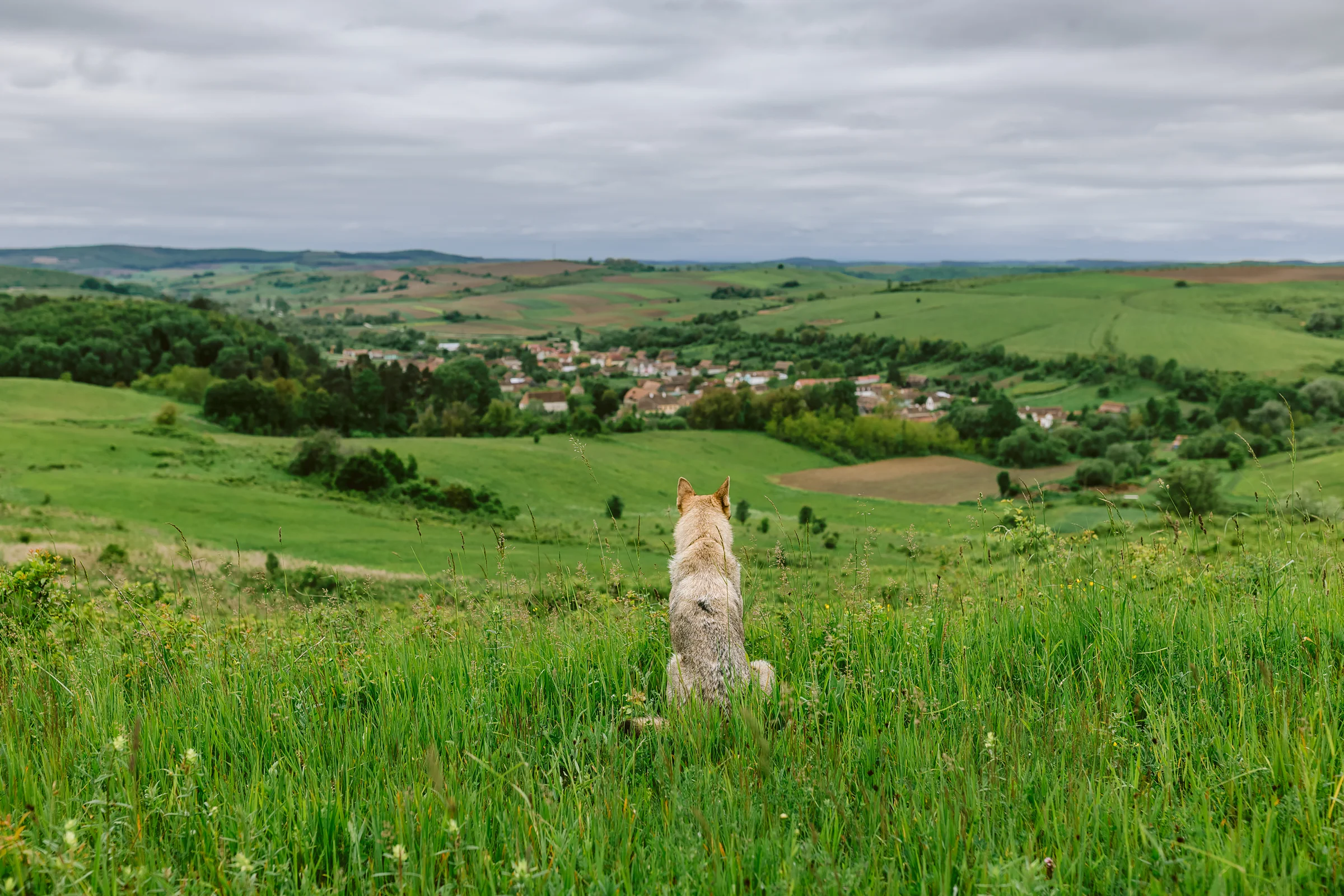
We later learned that the meadows of Transylvania are considered by biologists to be among the richest ecosystems of this kind in Europe. On small patches of land, dozens of plant species can be identified, some rare or completely gone from other countries.
There are more and more places in the world where nature becomes a kind of backdrop, more or less pleasant. Sometimes even charming, well maintained. Meadows that look nice from afar, neatly ordered small forests, “clean” landscapes, yet with less and less life. In Transylvania, however, there are still places where nature, less tamed, reveals its remarkable strength and diversity.
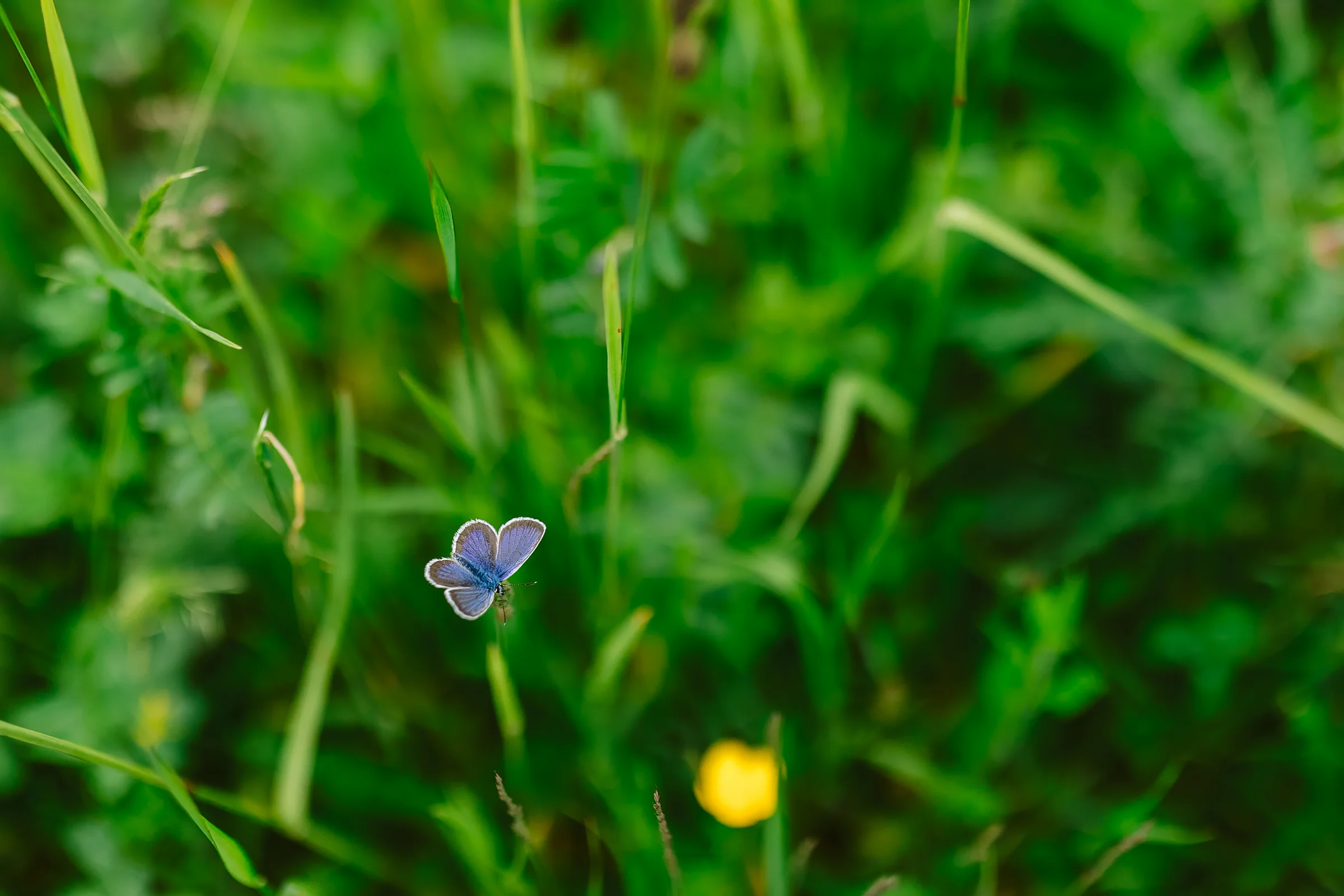
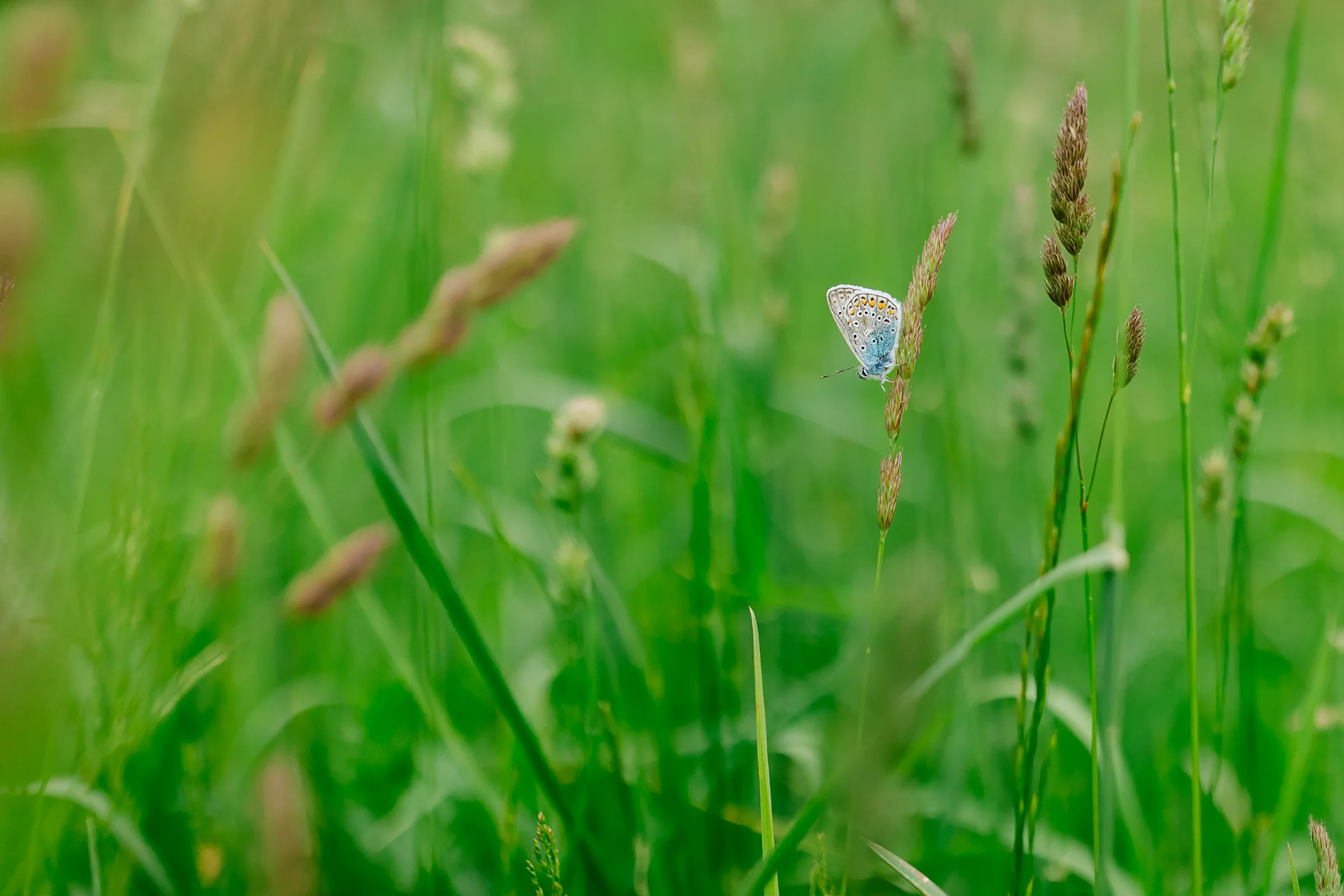
Moreover, Transylvania is one of the few regions in Europe where the brown bear, the wolf and the lynx still live. Inevitably, you begin to think that a place where such predators can exist is one where natural chains have not been entirely broken, where ecosystems still function. A place that still has a chance, and deserves to be known, understood and protected.
Here, you feel a constant sense of life: birds whose wings you hear from afar, splendid insects, foxes crossing the roads at dusk, hedgehogs hiding in the bushes, deer checking what has grown in the gardens, large hares darting out from unexpected places, air that changes from hour to hour and with every season.
It is a place where you might want a pair of binoculars, a magnifying glass, good walking shoes. But above all, it invites you to give yourself time. To watch the morning dew on flowers and spider webs. To walk without hurry and without a precise destination. To breathe deeply in the forest. To observe quietly. To look at the stars. Those who allow themselves this time leave with a particular experience of Transylvania, a place where nature has the power to restore balance and calm. They carry with them the memory that life can be lived differently: with less noise, more attention, and a gentler rhythm.
If you drive along the Transfăgărășan, you might see bears waiting for food from tourists. This happens not because there are too many bears, but because there are enough people who do not understand that feeding them is entirely wrong. Normally, bears do not cross your path when you walk through the hills and forests during the day; they prefer to avoid you. You may sometimes see their tracks, or rarely catch a glimpse of one in the distance. Wolves and lynx you will most likely never see at all.
So let us answer one of the usual questions: are there bears here? Yes. We have never seen one, but they must be around. There are all kinds of animals and all kinds of plants, thankfully. Nature here is not a sterile backdrop. For centuries, it has been a living partner to the people of this place. And once you understand that, you begin to look at it and behave differently.
Photos: Cromatica Photography


